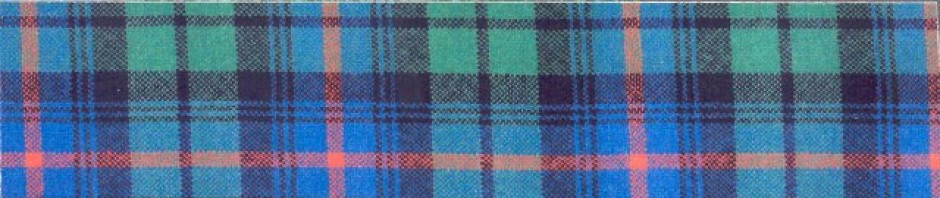

My last post was extremely heavy-handed, so today I’ll give you a fun poem about how Scots would like church to be. I’d like to go on record as agreeing with them completely. Silly Wizard recorded this song some time ago and it’s available on iTunes as well as findable on youtube.
The American English translation is below the originall. The only problem is with the phrase “fuddled the bell”. I’d love to ask any Scottish readers for help on this. Technically it means “Got the bell drunk”, which doesn’t make perfect sense. The people in this parish have apparently had it with being dragged from their beds and houses to drag themselves to church for a miserable sermon. To us, “befuddled” means confused to the point of not being able to think, or talk. Are the terms perhaps related?
O, what a parish, a terrible parish,
O, what a parish is that o’ Dunkel’,
They hangit their minister, droon’d their precentor
Dang doun the steeple, and fuddled the bell.
The steeple was doun, but the Kirk was still staunin’,
They biggit a lum whaur the bell used to hang,
A stellpat they gat and they brewed Hieland whisky,
On Sundays they drank it, and ranted and sang.
O, had you but seen how graceful it lookit
To see the cramm’d pews sae socially join
Macdonald the piper stuck up in the poopit
He made the pipes skirl out music divine.
Wi’ whisky and beer, they’d curse and they’d swear
They’d argy and fecht what ye daurna weel tell
‘Bout Geordie and Cherlie they bothered fu’ rarely
Wi’ whisky they’re worse than the devil himsel’.
When the heart-cheerin’ spirit had mounted their garret
To a ball on the green they a’ did adjourn
Maids wi’ coats kilted, they steppit and liltit
When tired they shook hands, and then hame did return.
If the kirks a’owre Scotland held like social meetin’s
Nae warning’ ye’d need from a far-tinklin’ bell
For a true love and friendship wad draw ye thegither
Far better than roarin’ the horrors o’ hell.
Translation
Oh, what a parish, a terrible parish,
Oh, what a parish is that of Dunkeld,
They hanged their minister, drowned their cantor,
Damned down the steeple, and got drunk the bell.
The steeple was down, but the church was still standing,
They built a chimney where the bell used to hang,
A stillpot they got and they brewed Highland whiskey, (like for distilling)
On Sundays they drank it and ranted and sang.
Oh, had you but seen how graceful it looked,
To see the crammed pews so socially joined,
Macdonald the piper struck up in the pulpit,
He made the pipes wail out music divine.
With whiskey and beer, they’d curse and they’d swear,
They’d argue and fight what you dare not well tell.
About Geordie and Charlie? They bothered folk rarely,
With whiskey they’re worse than the devil himself.
When the heart-cheering spirit had reach a high point,
To a ball on the green they did all adjourn,
Maids with coats kilted, the stepped and lilted,
When tired they shook hands and home did return.
If the churches all over Scotland held like social meetings,
No calling you’d need from a far-tinkling bell
For a true love and friendship would draw you together,
Far better than roaring the horrors of hell.


 Loving Leed: An American learning Scots
“When the heart cheerin’ spirit had mounted their garret”
In Scotland, a “garret” is an attic. Here, Andy M. cleverly makes the analogy with the brain.
Translation: When the whisky reached the frontal lobes or if you prefer, when they got royaly pissed! (Drunk)
Thank you for your comment! This was a tough one, and I appreciate the clarification. This is one of my favorite songs of his. I have no time for churches who tell me everything I’m doing is wrong. Luckily my parish is good at celebrating, too. Do you know anyone who teaches Scots?
You missed something; the line “‘Bout Geordie and Cherlie they bothered fu’ rarely” if a reference to the Jaboite rebellion.
In the Revolution of 1688-1689, the (Catholic) King James VII of Scotland (same person as King James II of England) was forced to flee to exile in France, and his daughter Mary and her husband William ascended the throne together. In 1690, Presbyterianism became the official religion (see, this has to do with Dunkeld after all, just wait for it) of Scotland. Based on the Act of Settlement of 1701, the King or Queen had to be Protestants of the House of Hanover. Based on that law, the Elector of Hanover, George I, succeeded the British (and Scottish) throne. George I was succeeded by his son George II in 1727, and here we have our “Geordie.”
HOWEVER, the Jacobite rebellion eventually had James II’s son, James Francis Edward Stuart, made a move for the throne and eventually in 1745, his son Charles (“Charlie” referenced in the song) sailed with troops for Scotland.
So what we have is a reference to the Jacobite rebellion (between Catholics and Protestants), and if the “congregation” didn’t care about Geordie vs. Charlie, they really didn’t care about religion at all — which fits the theme of the song perfectly.
If you’re really bored or curiosity gets the better of you, you can bone up on all this stuff here:
https://en.wikipedia.org/wiki/Jacobite_rising_of_1745
Enjoy!
That is so incredibly cool! Thank you. The Jacobite Rebellion is still something of a mystery to me, but it had a huge effect on my country, the U.S. Many Jacobites fled to the U.S. after the war. My clan, the Urquharts, settled in Louisiana and the head of the clan is seated there to this day.
Might make more sense if the word was “puddled”. A slight bastardization of the metallurgy term–to melt pig iron for purposes of making wrought iron–or melted the bell.